Analytics with heart
At Mettalytics, we craft rigorous economic and social impact cases to attract funding and influence policy.
Founded by Dr. Brad Wong, our work blends the rigor of academia, the pragmatism of consulting, and the compassionate drive of NGOs. The name reflects our approach: metta — loving-kindness that drives our purpose, and analytics — the rigorous evidence that ensures every investment delivers meaningful, measurable impact.
Our story
We live in a world filled with urgent problems. But there’s never enough time, money, or attention to solve them all. To maximize impact, we must focus resources where each dollar creates the most meaningful change. That’s why we specialize in crafting clear, rigorous economic cases that guide decision-makers toward smarter, high-impact investments.
Our founder, Dr. Brad Wong, brings a background that spans academia, management consulting, think tanks, and NGOs. This diverse experience shaped a clear vision for Mettalytics: a consultancy that combines the rigor of academia, the pragmatism of consulting, and the compassionate drive of NGOs.
This vision shaped Mettalytics: Metta means loving kindness in Pali and connotes the idea of alleviating the suffering of all living beings. And metta is most potent when it's backed by analytics: rigorous evidence of what works, what is most cost-effective and what beneficiaries see as most meaningful.




Core Team
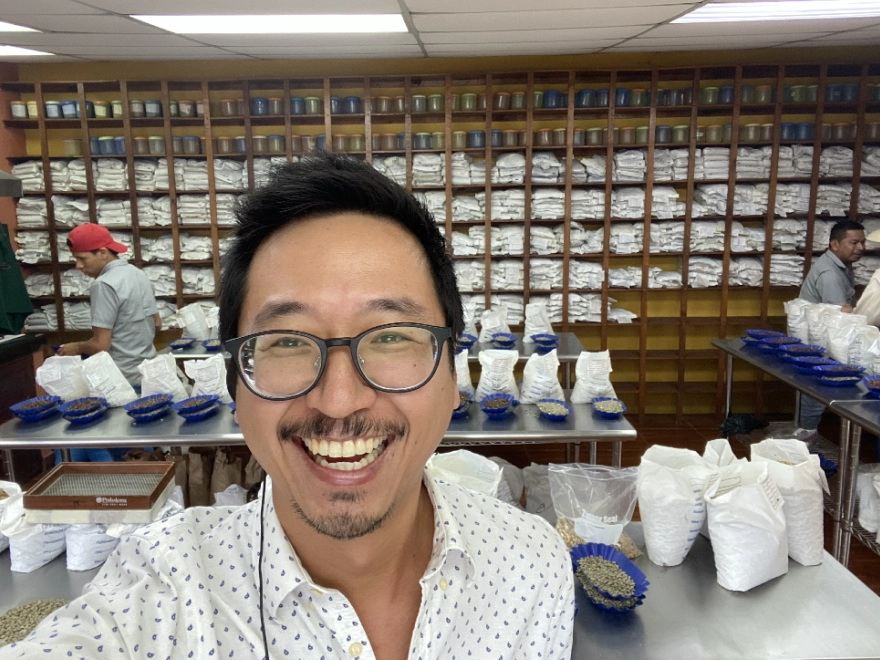
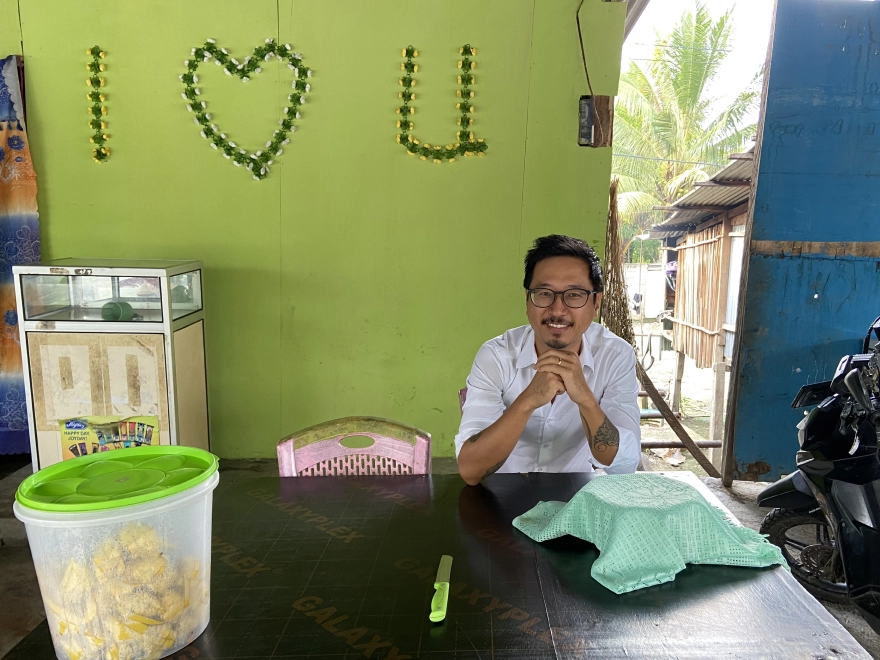
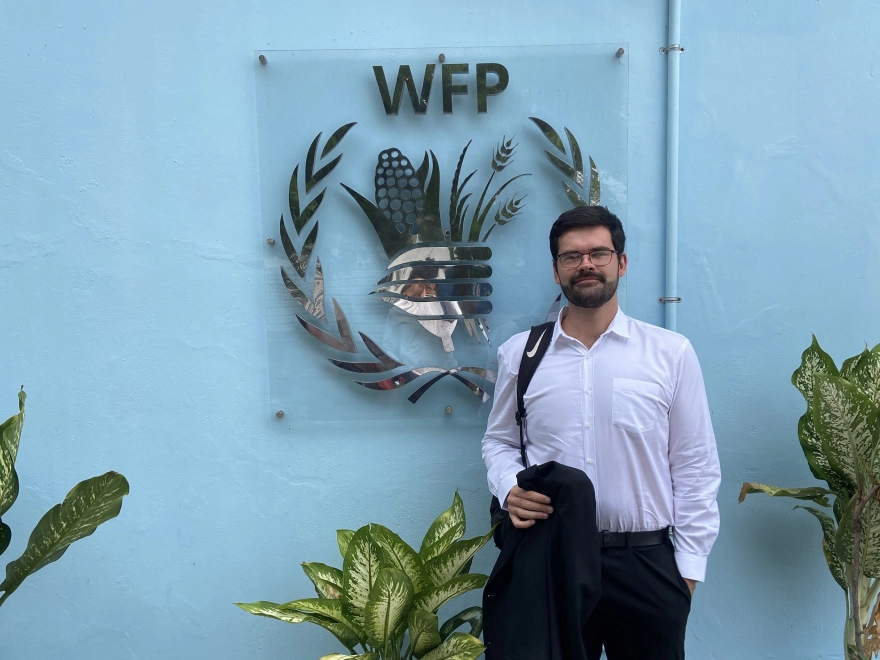
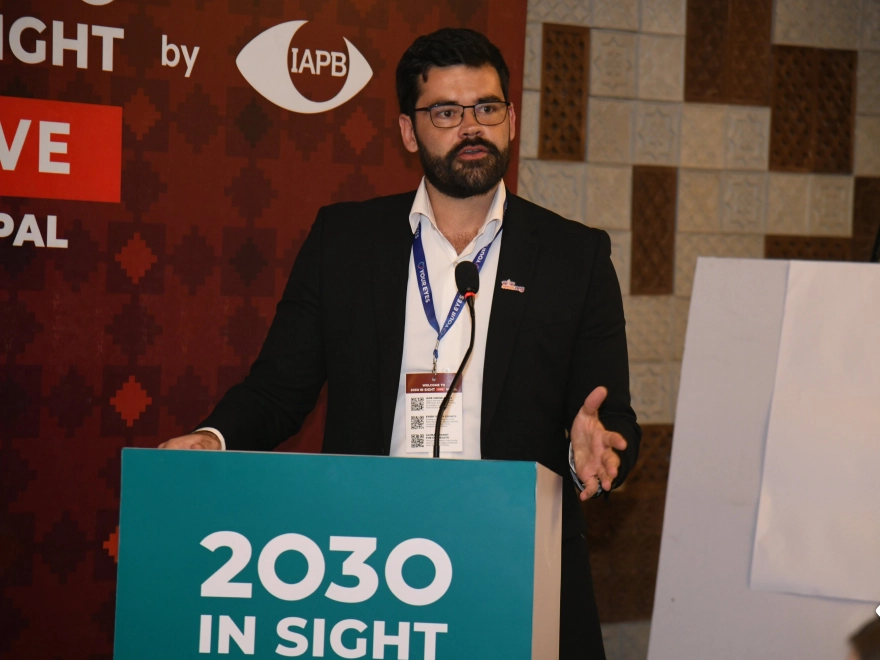
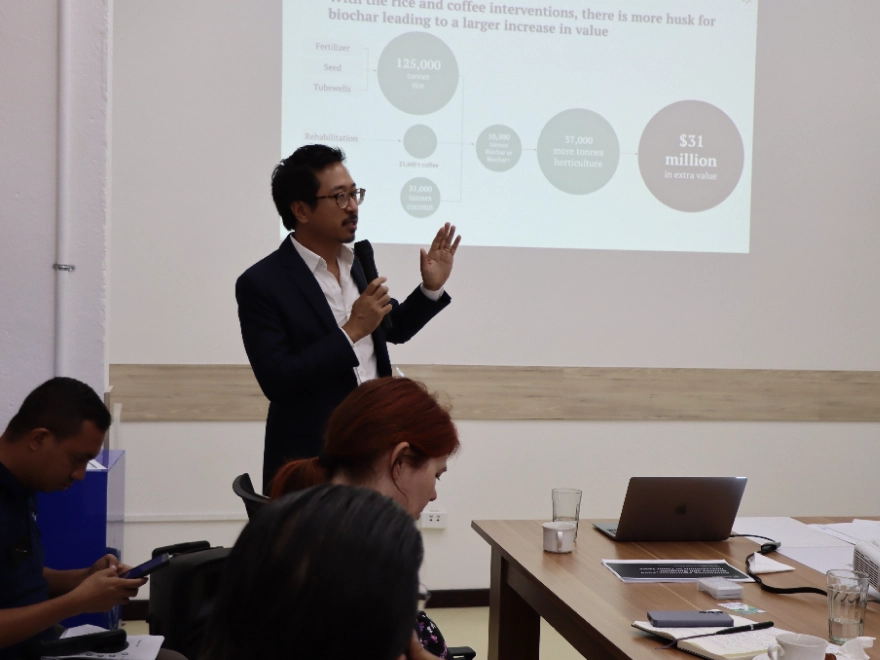
Dr. Brad Wong is the founder and president of Mettalytics, Chief Economist of the Seva Foundation and honorary faculty at the London School of Hygiene and Tropical Medicine. He is a leading practitioner of benefit-cost analysis in international development and global health, having contributed to economic evaluations of hundreds of interventions across health, education, nutrition, agriculture, water and sanitation, gender and trade.
He has substantial experience leading complex, multi-stakeholder economic evaluations that bring together governments, funders, researchers and civil society. His investment cases and priority-setting studies have shaped national development plans, informed the strategies of UN agencies and major foundations, and helped unlock new financing for programmes serving some of the world’s poorest people. He has also taken benefit-cost analysis into new territory, including the first economic case for pleasure-based sexual health and a global investment case for eye health spanning 111 countries. Brad has worked with national planning commissions in Malawi and Ghana, governments in Fiji, Haiti, Timor-Leste, India and Bangladesh, the UN, and numerous international NGOs. Under his leadership, Mettalytics has grown into a trusted partner for institutions including UNICEF, the Gates Foundation, FCDO, WFP and GiveWell.
Brad is also a non-resident fellow at the Center for Global Development and an affiliated researcher at the Bergen Centre for Ethics and Priority Setting in Health at the University of Bergen. He is an editor for Disease Control Priorities 4 and has presented at Harvard’s executive education program, Valuing Life and Health. His work has been featured in The Economist, The Wall Street Journal, The Times of India, South China Morning Post, and Los Angeles Times.
Cyandra Carvalho is a humanitarian policy and strategy specialist with over 15 years of experience shaping crisis-responsive planning, learning and transition processes across the Red Cross Red Crescent Movement, UN agencies, NGOs and government partners. She has worked in some of the world's most complex operational environments, from emergency response to long-term systems change. Her expertise lies at the intersection of strategic planning, results-based management and crisis-informed policy, with particular strengths in anticipatory action, locally-led institutional development and sector-wide accountability initiatives.
At Mettalytics, Cyandra leads the humanitarian portfolio and the firm's policy and stakeholder engagement work. She shapes economic evaluations from the outset, bringing governments, funders and implementing partners into the design so the analysis answers the questions decision-makers are actually asking, and then translates cost-effectiveness findings into recommendations that are actionable, compelling and politically attuned. She has led this work with WFP in Timor-Leste and UNICEF in Fiji, and leads the FCDO-funded study of evidence use in national development planning in Ghana and Malawi.
Much of Cyandra's work focuses on improving how humanitarian interventions are designed, delivered and assessed. She pays particular attention to the institutional capacities, preparedness systems and operational outcomes that conventional economic evaluations do not always capture, so that the wider value of humanitarian investment becomes visible. Her technical work with FAO on anticipatory action across the Great Lakes and Greater Horn of Africa is one example. Across all of this, she plays a key role in shaping the firm's approach to humanitarian value-for-money, keeping it rigorous and responsive to the realities of field-based decision-making.
Neal Fann is an environmental health scientist with more than 20 years of experience quantifying the health and economic impacts of air pollution and climate change. Over 16 years at the US Environmental Protection Agency he led the Air Quality Benefits and Climate Impacts Team, where he established the analytical methods now used internationally to value cleaner air, and oversaw the development of BenMAP-CE, the open-source software behind that work. More recently his research has turned to climate: wildfire smoke, extreme heat, aeroallergens and the health burden of a warming atmosphere. He was lead author of the air quality chapter in the US National Climate Assessment, and has trained government analysts across Asia, Latin America and Australia.
Neal has published more than 50 peer-reviewed papers, in journals including PNAS, JAMA Network Open, Environmental Health Perspectives, Environmental Science & Technology and the Journal of Benefit-Cost Analysis. He is a research affiliate at the Harvard T.H. Chan School of Public Health and teaches in Harvard’s executive education program, Valuing Life and Health. At Mettalytics, Neal leads the environment and climate portfolio, building the health, welfare and economic cases that rigorously prove the impacts of cleaner air, lower emissions and climate adaptation.
Bryce is a development economist at Mettalytics specialising in global impact and economic modelling for health and education. He has built the models behind three multi-country investment cases spanning 99 to 113 low- and middle-income countries, covering eye care, foundational learning, and sexual and reproductive health. Each combines intervention costing, simulation modelling of impact pathways, benefit-cost analysis and probabilistic sensitivity analysis, translating evidence on what interventions cost and achieve into estimates of lives improved, economic returns and the uncertainty around them. His modelling for the Value of Vision investment case, launched at the 2025 UN General Assembly, has been adopted by the Seva Foundation, The Fred Hollows Foundation and IAPB as the global investment case for eye health.
Bryce's research has been published in the Bulletin of the World Health Organization, BMJ Global Health, Global Public Health and Ophthalmic Epidemiology, and his reports have been taken up by funders and advocacy coalitions as the evidence base for investment in health and education. Before joining Mettalytics, he completed an M.S. in International and Development Economics at the University of San Francisco, where he led a quasi-experimental field study on the productivity effects of vision correction among coffee harvesters in Guatemala. Bryce's goal is to give decision makers rigorous, applicable evidence on where investment does the most good for the most vulnerable.
Prakriti Shakya is a development researcher with four years of experience in development and social research across East Africa, South Asia and the United States. Her work uses applied economic research to understand whether development interventions work, how they are implemented and whether they can scale. She has worked across education, early childhood development, climate change, humanitarian assistance and social protection.
Prakriti holds a Master's in International and Development Economics from the University of San Francisco. Her thesis combined satellite climate data with a household survey of around 18,000 observations to study how climate hazards affect child nutrition in Nepal. She has presented her research at conferences hosted by the Asian Development Bank, the Center for Effective Global Action (CEGA) and the International Food Policy Research Institute (IFPRI). At Mettalytics, she builds the models and analysis behind the firm's cost-effectiveness and investment case work, including studies in eye health and education.
Collaborators
Ophelia Chatterjee is a feminist gender and SRHR researcher and consultant with a strong interest in intersectionality and climate justice. Her academic background is in philosophy and sociology. She has facilitated SRHR and gender-related projects, multi-level evaluations, collaborative platforms and trainings in Asia and sub-Saharan Africa. This work has mostly focused on increasing civic space, gender equality, and the reach and quality of comprehensive sexuality education, as well as reducing child marriage, teen pregnancy and gender-based violence. She has experience in quantitative, qualitative and mixed-method analyses.
Suzi has more than a decade of management consulting experience, working across sectors with top-tier organisations on complex business and development problems. At Mettalytics, Suzi brings her strategic and quantitative lens to public policy challenges, having tackled issues as diverse as plastic reduction, food security, nutrition and climate change
Dr Joshua Sebu is a Senior Lecturer in Economics in the Department of Data Science and Economic Policy at the University of Cape Coast, Ghana. His work spans applied economics, data science, survey research, poverty and inequality, financial inclusion and evidence-informed policymaking. He has extensive experience analysing large household, demographic and business datasets, and has worked with the Ghana Statistical Service on major national surveys and census activities.
With Mettalytics, Joshua is part of the Ghana team for an FCDO-funded study of how evidence is used in national development planning in Ghana and Malawi. He contributes to document review, key-informant interviews and analysis of Ghana's planning processes. He is particularly interested in how institutions, political economy and data systems shape the uptake of evidence in public policy.
William Godfred Cantah is an economist and policy researcher working across macroeconomic policy, applied econometrics, data science and national development planning. He is Associate Professor of Macroeconomic Policy and Head of the Department of Data Science and Economic Policy at the University of Cape Coast, Ghana, and a Commissioner of Ghana's National Development Planning Commission (NDPC).
His work focuses on turning rigorous economic analysis into evidence that informs real decisions. He has worked on monetary and fiscal policy, inflation, macroeconomic modelling and the rebasing of Ghana's Consumer Price Index, with institutions including the African Development Bank and the UN Economic Commission for Africa. With Mettalytics, William is part of the FCDO-funded study of evidence use in national development planning in Ghana and Malawi. He is particularly interested in how political incentives, institutions and fiscal constraints decide which ideas make it into policy.
Salim A. Mapila is a development economist working at the intersection of development planning, public finance, economic evaluation and evidence-informed policymaking. He recently served as an ODI Fellow and Planning Analyst at the Ministry of Finance in Timor-Leste. Before that, he was a Development Planner at Malawi's National Planning Commission, where he helped shape the country's long-term vision, Malawi 2063, and its First 10-Year Implementation Plan.
Salim worked with Dr Brad Wong on Malawi Priorities, which used benefit-cost analysis to compare development interventions and inform national priority-setting. With Mettalytics, he supports the FCDO-funded study of evidence use in national development planning in Ghana and Malawi, looking at where evidence enters planning and how institutions and political economy shape its uptake. His wider interests include macroeconomic policy, social policy and global health.
Nyovani Madise is an independent global health and development consultant. She holds a PhD in Social Statistics from the University of Southampton and an honorary Doctor of Science from the University of Aberdeen. From 2018 to 2025 she was Director of Development Policy and head of the Malawi office of the African Institute for Development Policy (AFIDEP). Before that, she was Professor of Social Statistics and Demography at the University of Southampton, where she led major global health research programmes.
Nyovani is President of the Union for African Population Studies and Vice-Chair of the UN Committee for Development Policy. She co-chaired the UN's Global Environment Outlook 7 (2025) and was one of 15 independent scientists appointed by the UN Secretary-General to write the 2023 Global Sustainable Development Report. She advises Mettalytics on evidence-informed decision-making.
Professor Wisdom Akpalu is an economist and Director of Environment for Development Ghana (EfD Ghana), a research and capacity-building centre supported by the Swedish International Development Cooperation Agency (Sida). He chairs the Governing Council of Ghana's Fisheries Commission and was the inaugural president of the African Association of Environmental and Resource Economists. Earlier in his career he chaired the Economics Department at SUNY Farmingdale, helped the University of Ghana launch a PhD programme in development economics with UNU-WIDER, and was inaugural Dean of Research and Graduate Studies at GIMPA.
His research covers environmental, natural resource and development economics. It has shaped fisheries management in Ghana and earned him an EfD Policy Impact Award in 2023. He has published in journals including Nature Communications, Ecological Economics and Marine Resource Economics, and has consulted for the World Bank, the African Development Bank and the Copenhagen Consensus Center. With Mettalytics, he works on a study of the value of statistical life among artisanal and small-scale miners in Ghana.
Susan Musa Namangale is an environmental, social and stakeholder engagement specialist with more than 20 years of experience in management roles on large infrastructure projects, mainly in Malawi. She has worked on the Millennium Challenge Corporation's compact in Malawi, covering land and transport, and has supported several World Bank projects as an individual consultant.
Susan joined Mettalytics in 2026 as stakeholder engagement expert on the FCDO-funded study of evidence use in national development planning in Ghana and Malawi. She leads the identification of stakeholders and manages engagement with Malawi's National Planning Commission and its partners. She holds an MBA from Indira Gandhi National Open University in India, postgraduate diplomas in management and finance, and a Bachelor of Science in Environmental Science from the University of Malawi.
Mahabat Murzakanova is a development and humanitarian professional with more than 17 years of experience across Central Asia and the South Caucasus. Her work spans climate resilience, anticipatory action, disaster preparedness, migration and water governance.
At the IFRC she managed early action protocols across five Central Asian countries. She then coordinated programme development and strategic engagement in Armenia, including cash assistance for displaced people. She has also worked with UNDP, UN Women, the OSCE, OHCHR and Helvetas, where she supported national and local counterparts with water management and tariff setting. With Mettalytics, Mahabat works on anticipatory action for FAO in the Great Lakes region, helping build a composite vulnerability index for multi-hazard risks. She holds master's degrees from the University of Geneva and the OSCE Academy, and a master's in law from the Kyrgyz State Academy of Law. She is fluent in Russian, Kyrgyz and English.